
The global Telecom VAS market is expected to reach $1380.09 billion by 2032. Yet many operators still struggle to claim their share. The main reason is a messy network of old systems, isolated third-party services, and complex integration setups that slow innovation and delay launches. Most aim for a smooth customer experience, but instead face constant operational slowdowns.
Middleware orchestration acts as the smart connector between systems. It links your internal platforms with a growing network of external Value-Added Service (VAS) providers. This connection turns disorder into structure. For operators seeking agility, scale, and better customer experiences, mastering this layer is essential for growth.
This article looks at how middleware orchestration turns VAS integration into a unified, future-ready ecosystem.
The Role of Middleware in VAS Platform Integration
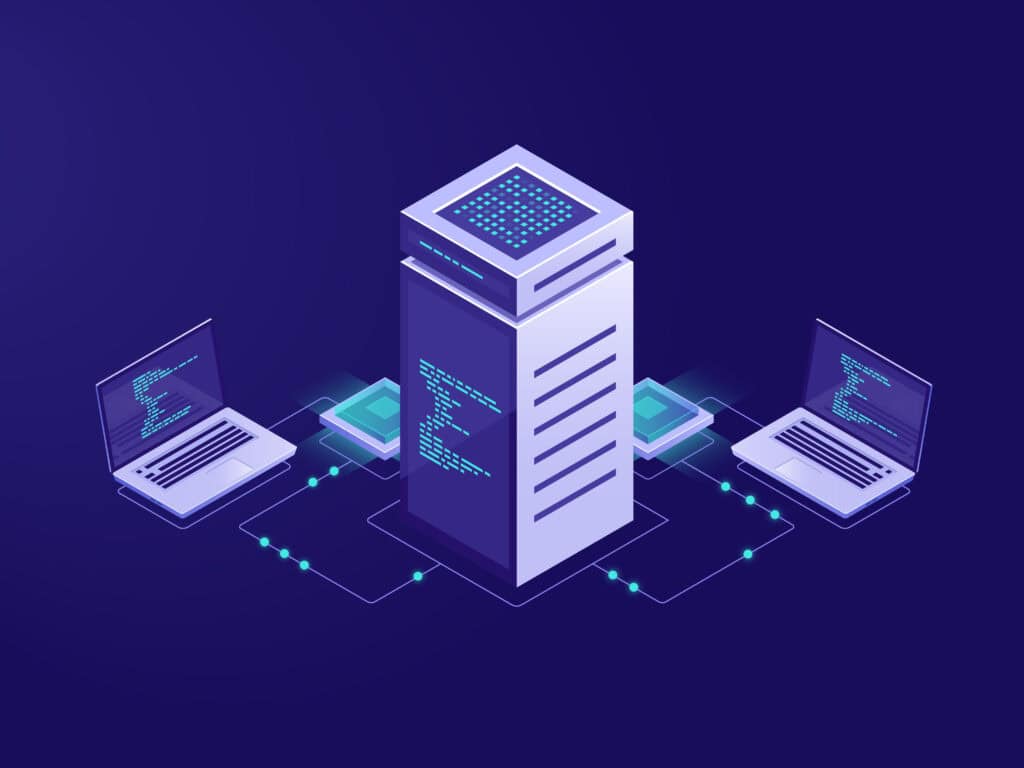
In telecoms, middleware orchestration works like the central nervous system of your services. Picture it as a conductor keeping every instrument, your billing system, CRM, and VAS platforms in tune. Instead of building one-to-one links for every new service, middleware offers a single, managed layer that connects everything.
Its four main functions remove complexity and add control:
- API Management and Traffic Control: Manages how data moves between your network and external partners.
- Data Translation: Converts data formats (for example SOAP to REST) so systems can talk to each other.
- Workflow Automation: Automates steps like setting up new services or handling mobile payments.
- Message Routing and Queuing: Guarantees message delivery, even when one system is offline.
By centralising these tasks, operators can build a VAS unified consolidation platform. This makes systems easier to manage, lowers operating costs, and gives flexibility to adapt to market shifts. A strong VAS consolidation platform helps move from reactive service delivery to proactive growth.
Key Components of an Effective Middleware Orchestration Framework
A middleware framework is not one tool but a set of features that work together. For VAS platforms for telecom operators, four parts are key to smooth integration and scale.
API Management and Gateways
At the core is a strong API gateway. It acts as the single doorway for all data traffic, helping you control and secure thousands of API calls. This enables real-time links with vendors and allows quick scaling as you add new VAS providers without losing performance or security.
Workflow Orchestration
Workflow tools powered by Business Process Management (BPM) or Integration Platform as a Service (iPaaS) automate full business processes. For example, when a customer subscribes to a streaming service, an automated sequence runs across your ERP, billing, and third-party VAS system, no manual steps needed.
Data Transformation and Mapping
Different vendors use different data formats. Middleware handles this by converting data structures automatically (for example SOAP/XML to REST/JSON). This avoids custom coding and cuts down on errors and delays.
Message-Oriented Middleware (MOM)
When reliability is critical, Message-Oriented Middleware manages communication through message queues. It ensures delivery even if one system is down, making it ideal for services like mobile payments and alerts.
Benefits for Telecom Operators
In a market where speed and flexibility define success, a unified approach to VAS integration brings clear results. According to an Analysys Mason white paper from 2024, telecom operators that adopt orchestration and automation frameworks can speed up new service deployment by as much as 90%, cutting time-to-market and enabling faster revenue generation compared to traditional integration methods.
Key benefits include:
- Faster Time-to-Market: Pre-built connectors and low-code tools make onboarding new services simple, helping you launch in weeks instead of months.
- Greater Agility and Scale: A modular design lets you add or change services without rebuilding entire systems. This prepares you for 5G and IoT growth.
- Stronger Securit: Central API management gives one place for authentication and encryption, improving overall protection.
- Unified Monitoring – A single dashboard offers full visibility, helping you spot issues early and keep performance stable.
A single middleware layer can also cut integration costs by up to 40% by removing duplicate development and maintena;;nce work.
Common Integration Challenges and How Middleware Solves Them
Many operators trying to grow their VAS offerings face similar problems. These issues waste time and money and give competitors an edge.
Common challenges:
- Vendor Lock-In: Custom one-to-one integrations make it costly to switch vendors.
- Data Silos and Incompatible APIs Each VAS platform may use different formats, creating isolated data and complex bridges.
- Slow Deployment Cycles: Complex setups delay new service launches.
- Limited Visibility: Without a central view, finding and fixing problems takes too long.
A cloud-based, vendor-neutral middleware platform solves these challenges. It separates core systems from third-party services, gives you freedom of choice, and connects everything through one hub. This breaks data silos and offers real-time visibility for better control. The result is fewer outages, faster delivery, and better customer experiences.
Implementation Path for a Unified VAS Consolidation Platform
Building a middleware orchestration strategy takes planning. Following a clear roadmap helps ensure a smooth rollout and the best results.
- Audit Current Systems: Map your existing setup and find gaps that slow down innovation.
- Choose a Vendor-Neutral Solution: Pick a platform with open APIs and proven scalability. Avoid vendor lock-in.
- Start with High-Impact Integrations: Begin with one valuable service, like SMS or mobile money, to show quick wins.
- Set Up Unified Monitoring: Use dashboards for full visibility and quick issue resolution.
- Optimise and Scale: Use performance data to refine workflows and expand across your full VAS ecosystem.
Future Outlook for Middleware in Telecom Innovation
Middleware will only become more important as telecoms evolve. It’s the base layer that powers next-generation services.
- 5G-Enabled VAS: Orchestration helps manage network slices for services like cloud gaming and low-latency communication.
- IoT and Edge Computing: Middleware manages huge data flows from millions of devices.
- AI-Driven Customer Experience: Centralised data enables real-time personalisation and analytics.
Middleware is the core of digital transformation. It gives telecom operators the flexibility and speed needed to innovate and grow.
Empowering Telecom Growth Through Unified VAS Orchestration
The ability to connect and manage third-party services quickly is vital. Middleware orchestration turns complex VAS integration into a clear advantage. It gives operators the agility to grow, innovate, and deliver better customer experiences.
By adopting a VAS unified consolidation platform, you create a strong foundation for long-term growth and profit. This is a key part of the vision for delivering next-generation Value-Added Services.
Download our free Value Added Services white paper: NextGen v.Services Framework to speed up your telecom innovation strategy.
Adding value and enabling convenience with NextGen v.Services
Discover how NextGen v.Services Framework can enable you to connect users to the right information, applications, and services, at precisely the right time ensuring the best value for your users.


Matthew Seabrook leads the NGVAS business unit at Adapt IT Telecoms, driving next-gen telecom solutions. With 30+ years in Telecoms, ICT, and IT, his expertise in sales, operations, and professional services enables him to strategize effectively, optimise networks, and unlock new revenue. A servant leader, he fosters growth, removes obstacles, and champions innovation, ensuring lasting partnerships and a thriving, people-centric team.