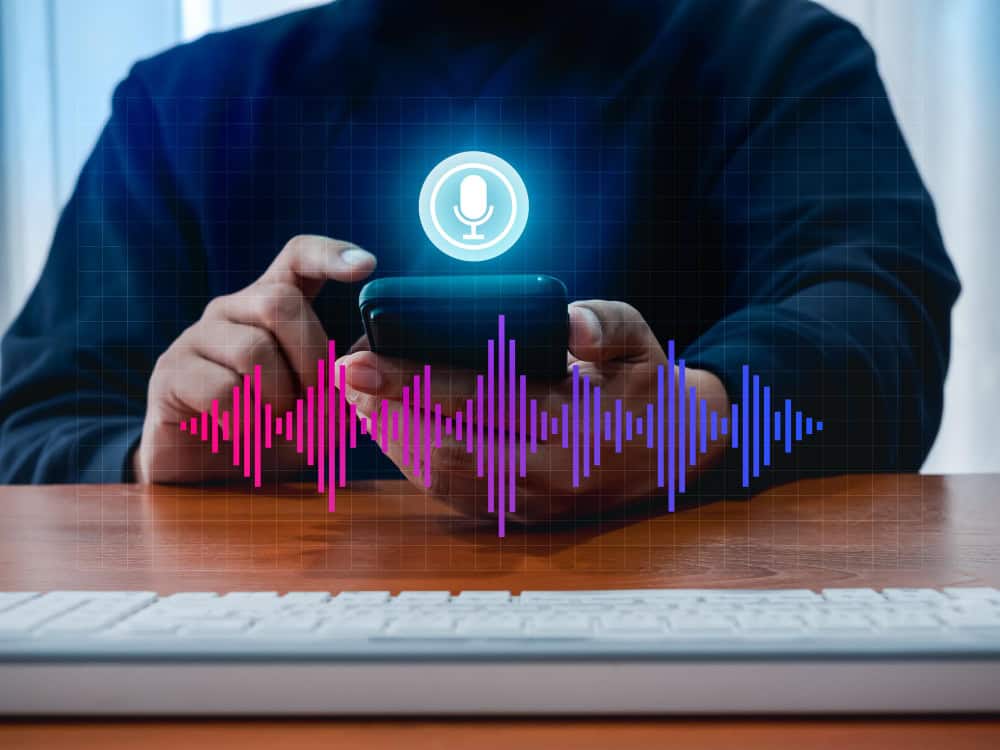
IVR stands for Interactive Voice Response. It is a technology that allows a computer to interact with a person using voice and keypad inputs. The person can respond by speaking or by pressing numbers on their phone keypad. This system then provides a menu of options and guides the caller to the correct information or department.
How IVR Works
An IVR system follows a simple process to guide a call.
- The system greets the caller with a pre-recorded message or synthesised voice.
- It then presents a menu of options. For example, “Press one for sales, or two for support.”
- The caller responds by pressing a number on their phone’s keypad or speaking a command.
- The IVR system processes the input and matches it to a specific action.
- Finally, the system routes the call. It can connect the caller to a live agent, play a pre-recorded answer, or route them to another menu.
Common Use Cases
Customer Support
IVR systems are widely used in customer support to handle a large volume of calls. They can answer common questions, provide information, and direct callers to the right department without needing a live agent.
Surveys
Companies use IVRs to conduct surveys and collect feedback. After a call, the system can automatically ask the customer to rate their experience by pressing numbers on their keypad or speaking their answers.
Marketing Campaigns
IVRs can be used for marketing campaigns to send out automated calls to a list of contacts. These calls can promote a new product, announce a special event, or share important updates.
Self-Service Menus
Customers can call a company and use the system to perform tasks on their own, like checking an account balance, paying a bill, or tracking a package.
Benefits of IVR for Operators and Enterprises
IVR systems offer many benefits to telecommunications operators and enterprises. They help businesses improve their services and make customers happier.
Cost Savings
IVR solutions can handle a large number of calls without needing a live agent. Automating common inquiries reduces the workload on customer service teams.
Faster Resolution
Customers can get answers quickly to basic questions without waiting for a live agent. The system also routes calls to the correct department or agent.
Customer Satisfaction
By providing 24/7 support, IVR systems ensure customers can always get help, even outside of business hours.
How IVR Integrates with Telecom Systems
IVR systems connect with telecom systems using application programming interfaces (APIs) that allow different software applications to communicate with each other. This includes:
CRM
IVR can link with a Customer Relationship Management (CRM) system. This allows the system to pull up a customer’s details, like their name and account history.
Billing and Account Management
The IVR can also connect to billing and account systems. This lets customers check their balance, pay their bill, or manage their account settings directly through the phone menu.
Adapt IT’s IVR and Customer Experience
Adapt IT Telecoms solutions, such as call completion and IVR, provide self-service to enhance customer experience. This reduces customer effort and frees up agents to handle more complex issues.